Structural Drying in New Braunfels, TX
The plumber fixed the line on Monday and the floor was mopped by Monday night. It is Thursday now, the house smells like a wet beach towel, and the baseboard in the hallway has a ripple in it that was not there before. The puddle is gone. The water is not. This site connects you with an independent local provider who dries houses in New Braunfels and across Comal County.
Drying a slab house when the outside air is already wet
Drying is not fans. It is controlled air movement across wet surfaces, dehumidifiers pulling the moisture out of that air, and meter readings every day to prove it is working. In a Guadalupe River valley summer, the dew point outside sits in the 70s for weeks. Opening the windows adds water to the house. The crew closes it up, runs refrigerant or desiccant dehumidifiers sized for the cubic feet of the wet rooms, and aims air movers at the wall bases and under the lifted edges of the flooring.
They mark the wet areas on the first day with a meter and a thermal camera, then come back and re-read the same spots. When drywall, framing, and subfloor hit their target numbers, the equipment leaves. Not before.
Living in the house while the equipment runs
Expect noise and warmth for three to five days in a typical loss, longer for a slab that was wet for weeks. Keep doors to the wet rooms closed if the crew asks, and leave the thermostat where they set it; the air conditioner is part of the drying system here. Do not unplug a dehumidifier to charge a phone. Keep children and pets off the cords and away from any opened wall cavity. If you are in a river rental with guests due, say so when you call so the schedule is honest from the start.
Materials that dry in place, and materials that have to leave first
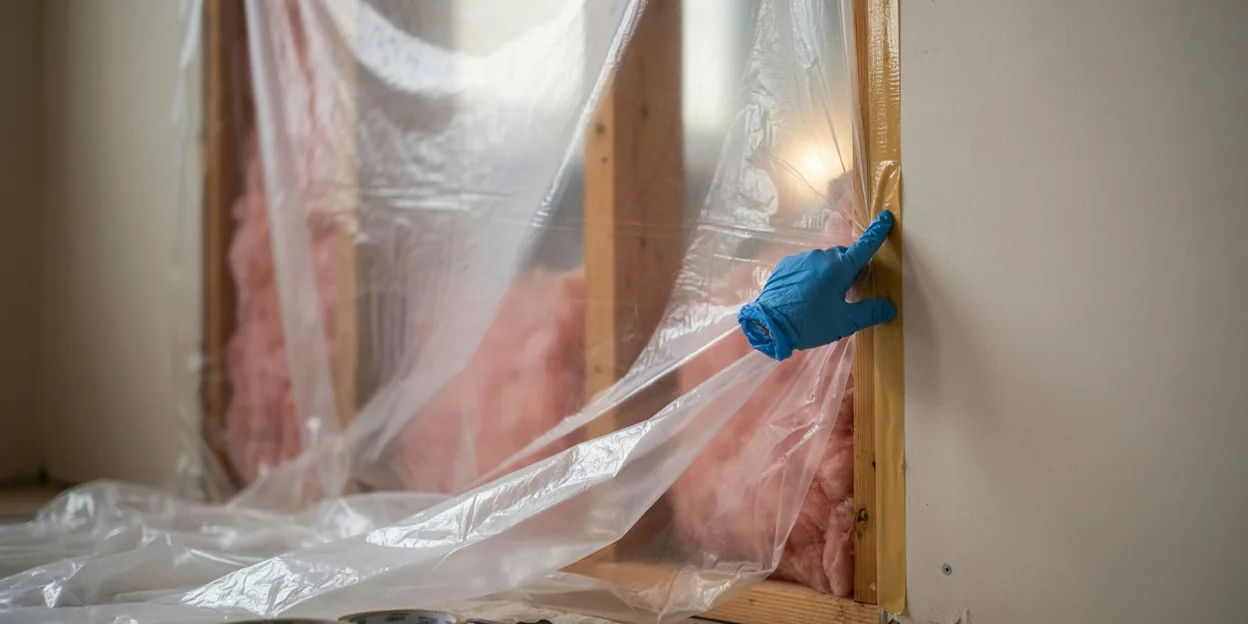
Framing, slab, and tile set on mortar almost always dry in place. Painted drywall dries if it was wet for less than a couple of days and was never saturated; otherwise the bottom section is cut and the wall cavity dried open. Fiberglass insulation that got wet comes out, because it holds water against the studs and dries slower than everything around it. Engineered wood and laminate come up. Cabinets are checked at the toe kick and the back panel; many survive if the water is caught early.
Drying follows water extraction, and when the leak started under the floor, leak detection has to come first or the drying never finishes.
Why Comal County walls dry slower than the chart says
New Braunfels averages close to 35 inches of rain a year, with the heaviest in May, June, and October, and the Comal Springs keep the air near the river wetter still. Houses in Veramendi, Mission Hills Ranch, and the Canyon Lake subdivisions are built tight, with foam-sealed attics in the newer ones, so moisture that gets inside stays inside. On the clay side of town east of I-35, a slab that was wet for weeks gives moisture back to the walls for days after the surface reads dry.
The February 2021 freeze showed all of this at once. Attic lines split across the county, water sat in walls for a week while plumbers caught up, and houses that were only fanned, never metered, were still damp in April. The drying plan for a burst pipe loss here starts in the attic and works down.
Insurance pays for drying when it pays for the loss that caused it, and the daily readings are what prove the days of equipment rental. This site makes no promise about any policy. Ask the provider for the drying log at the end of the job.
Calling when the puddle is gone but the house still feels wet
Say when the water was first noticed, when it was stopped, and what has been done since. Mention swollen trim, a ripple in the floor, or a smell that will not leave. Have the address and a callback number. Call (830) 356-7502.